


White pen
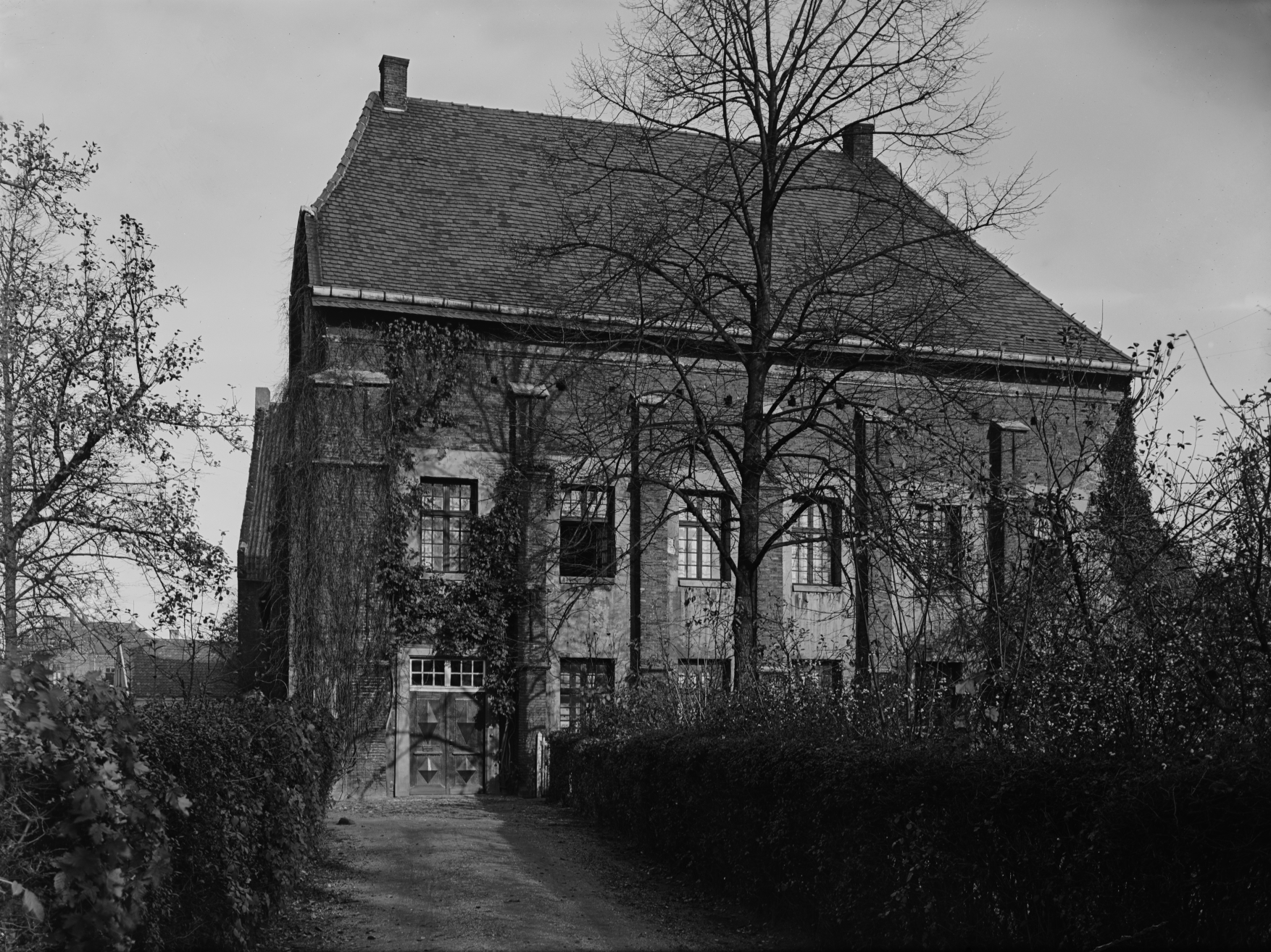
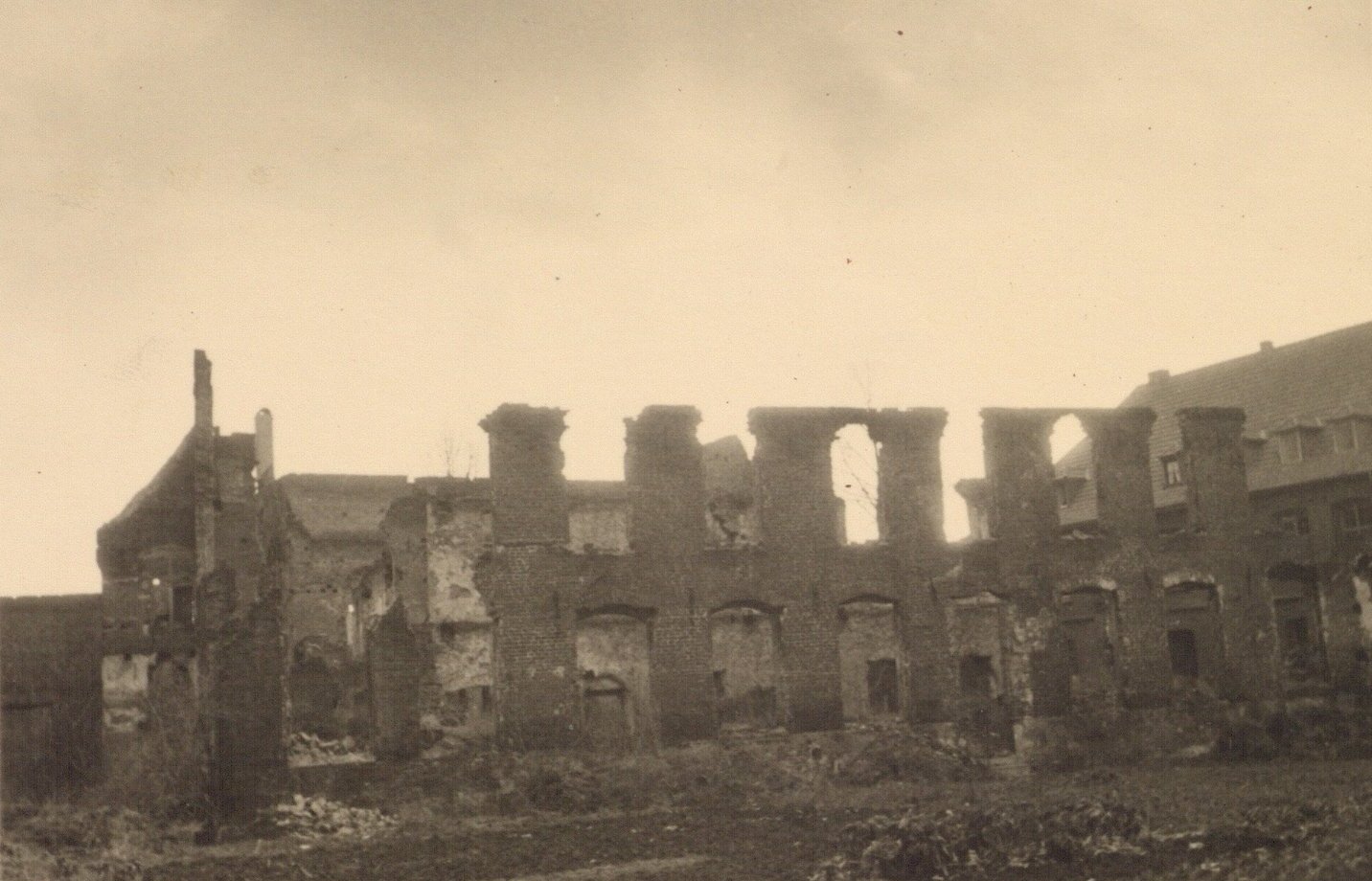
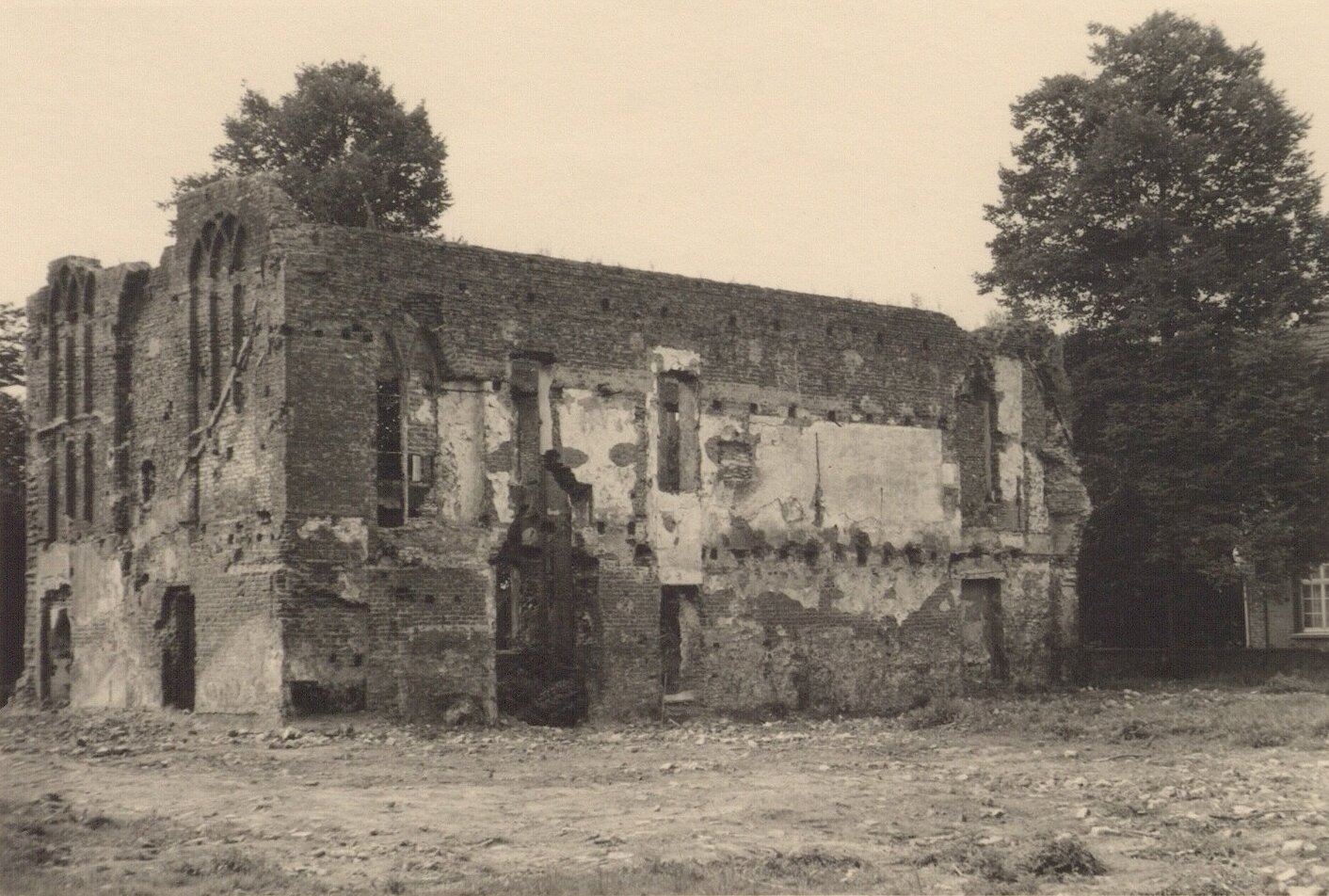
The viewer is in the former part of Nobelstraße and looks at the south wall of the collegiate church of the former so-called White or Great Abbey.
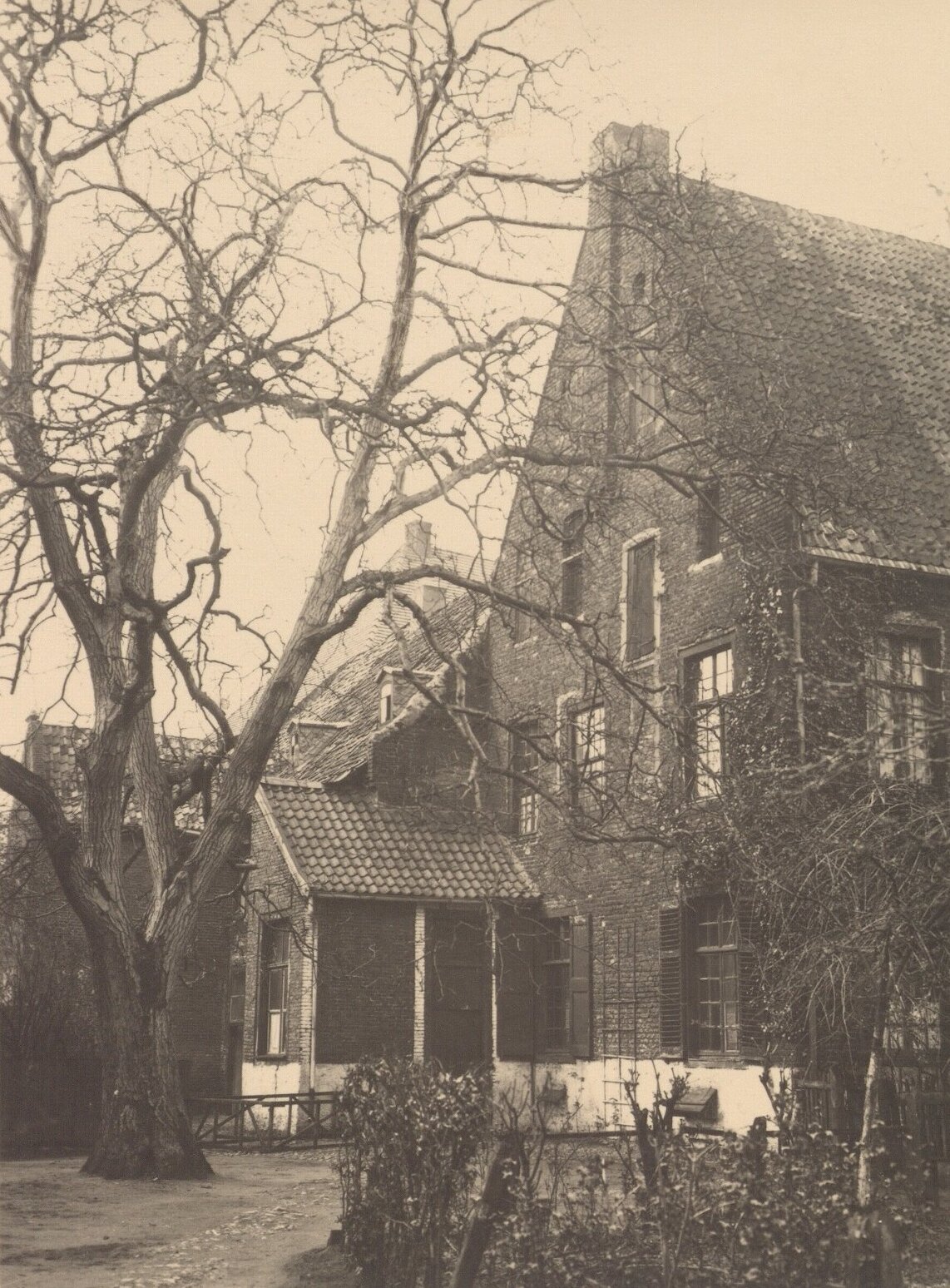
It was first mentioned in a document in 1307 as a Franciscan convent. It was given this name to distinguish it from the neighbouring so-called Black Convent due to the white dress of the nuns.
The nuns and nunnery ladies came from the lower nobility and wealthy Catholic patrician families from Bocholt and the surrounding area. In the second half of the 16th century, the monastery was converted into a secular convent with a maximum of eleven noblewomen.
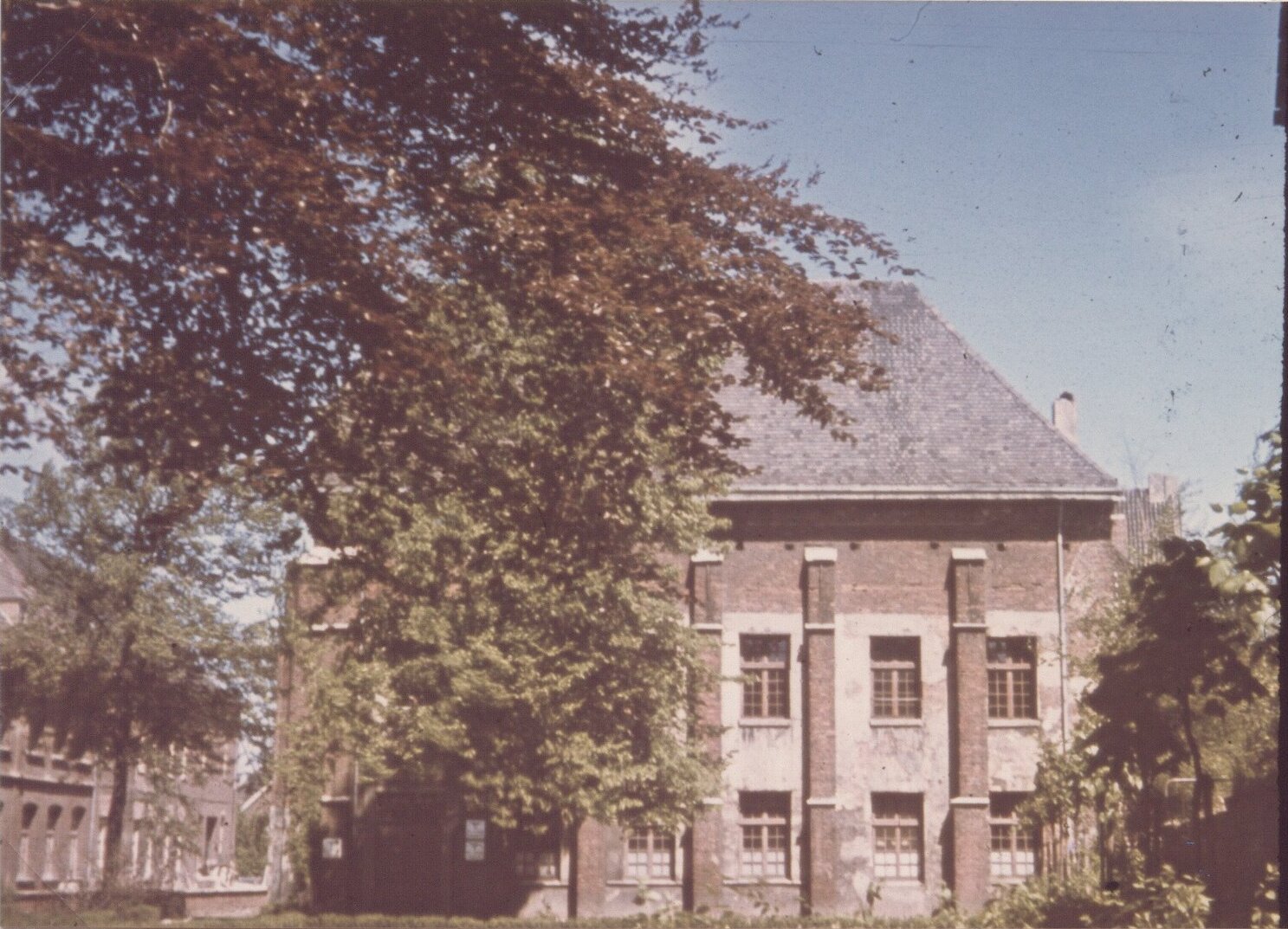
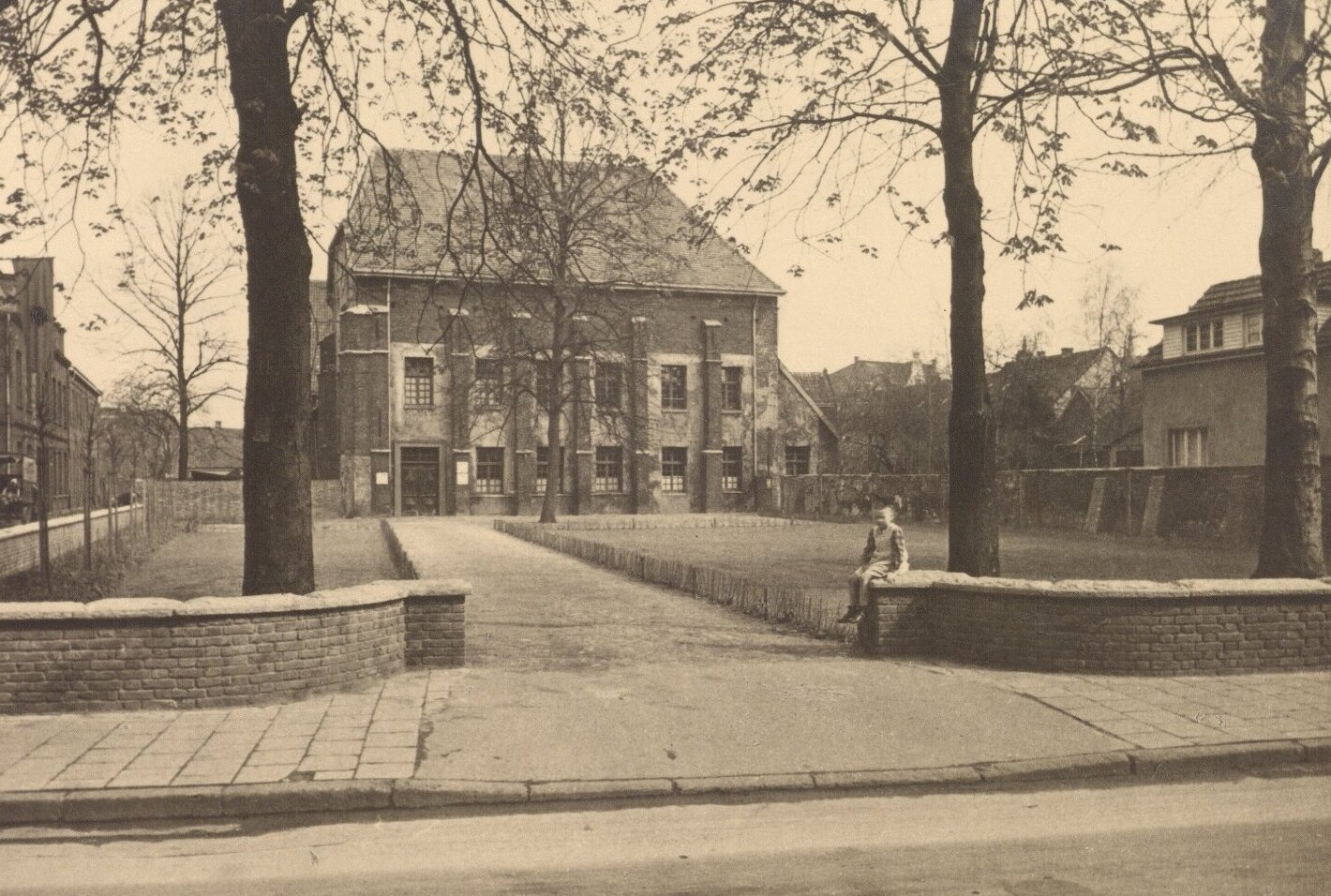
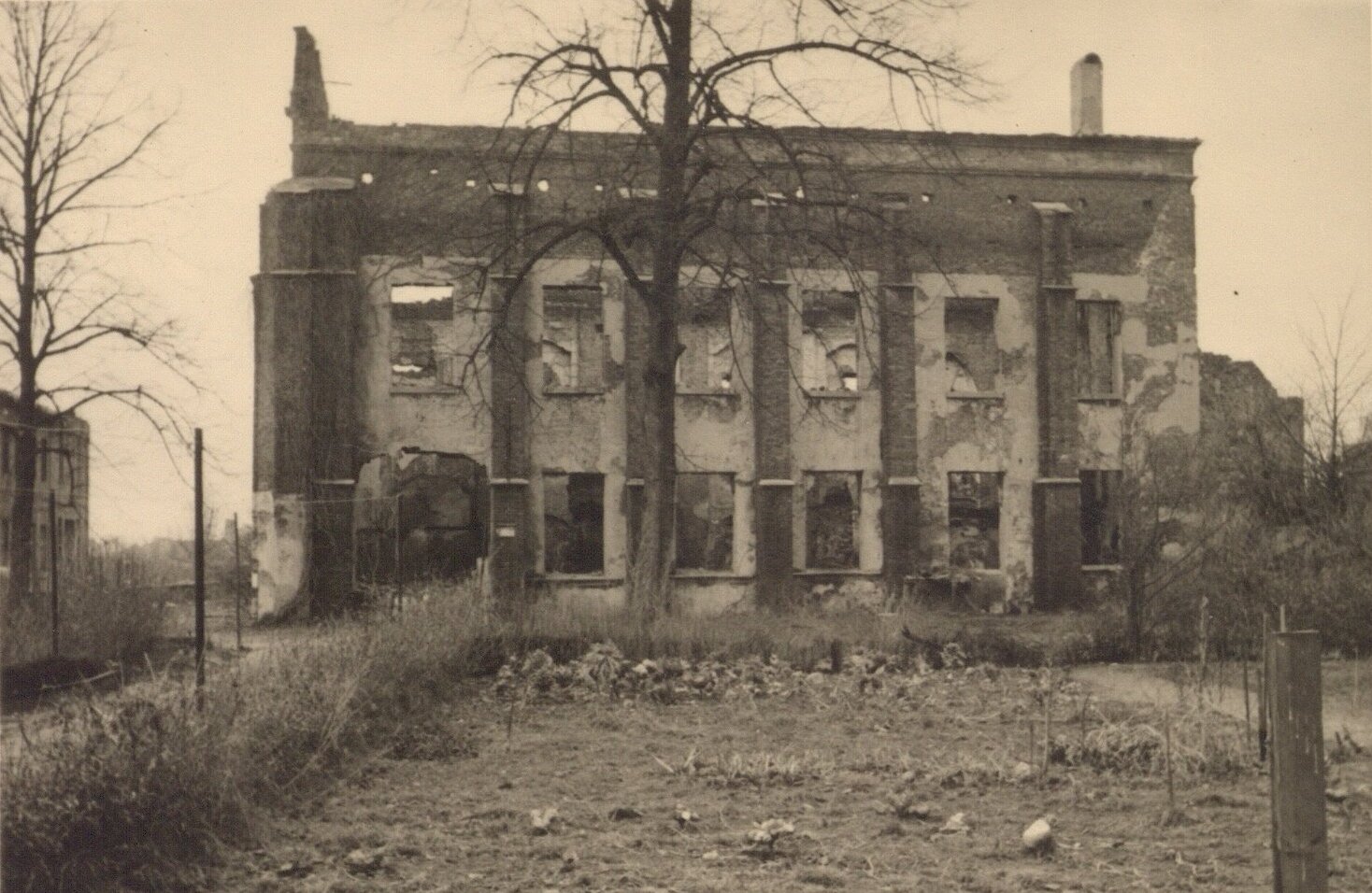
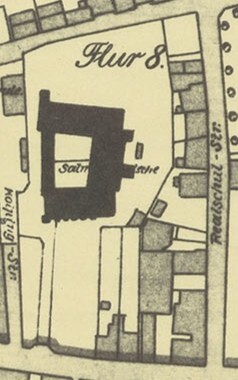
The former collegiate church was a brick building. The striking buttresses on the façade apparently date from a remodelling phase around 1700, when the south wall was reinforced after it was visibly raised by 2.50 metres. In 1803, the monastery complex became the property of the Salm-Salm princes in the course of secularisation and served as the seat of government of the newly founded Principality of Salm until 1811 and then as a private princely administrative seat. During the Second World War, the White Monastery was destroyed down to its foundations. The ruins were completely removed in the early 1950s. However, the southern outline of the building can still be recognised today in the form of white recesses in the ground on Europaplatz.
Gallery
Contact person
Oliver Brenn
GBL Kultur und Archiv
Kultur und Archiv
Kultur und Bildung
Send e-mail
+49 2871 953-2174
Supported by

© MHKBDNRW