



Oak processionary moth
Oak processionary moth nests discovered - what to do?
The city of Bocholt continues to see positive developments in the containment of the oak processionary moth (EPS). No major infestations were detected anywhere in the city last year. The preventative measures taken in previous years in combination with consistent and prompt nest removal have proven to be effective and sustainable. In addition to the municipal measures, external factors such as weather conditions and general, large-scale population shifts, which are discussed among experts, probably also play a role here. Due to the stable situation, the city of Bocholt is also refraining from comprehensive preventive measures for the current year 2026.
If preventive measures are required, the tried and tested authorised procedures (use of Bacillus thuringiensis preparations) will be used. Due to its selective effect, the agent used is particularly gentle on beneficial insects and is not harmful to bees. The agent inhibits the development of the caterpillars so that no cnidocytes are formed in the first place.
To report caterpillars or caterpillar nests of the oak processionary moth on trees in the area of the city of Bocholt, please use the online reporting form.
Note: The city council is responsible for removing nests from public areas, while the owner is responsible for removing them from private property!
Below you will find a digital map in which all already reported or known infestation sites in the city area are marked. The online reporting procedure and the overview map were developed by the district of Borken and the city of Bocholt and made available to the municipalities and communities belonging to the district.
Map: Reported nests in the district
On the following map you can see where nests of the oak processionary moth have been reported in the district of Borken:
Dangers due to oak processionary moth
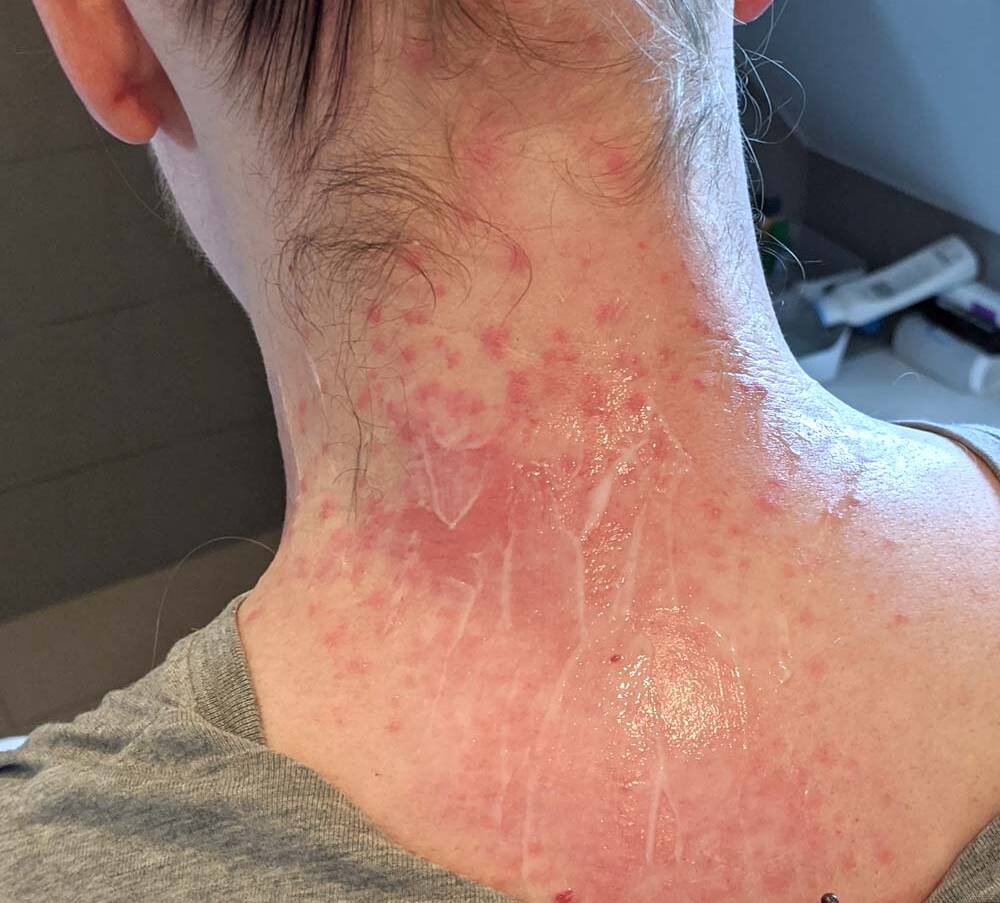
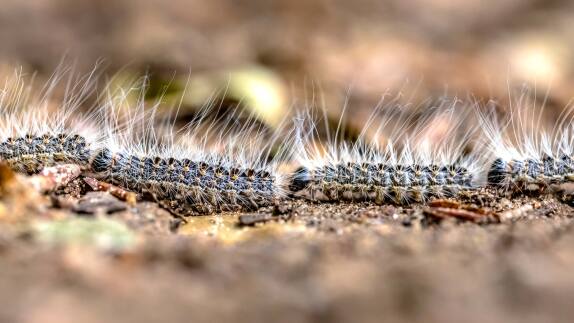
The stinging hairs of the caterpillars, which contain a nettle toxin, can cause considerable health problems for humans and animals.
Contact with the almost invisible hairs causes skin rashes, burning and itching. More rarely, more severe reactions such as respiratory irritation, conjunctivitis or fever occur.
If allergic symptoms occur, the attending doctor or dermatologist should be consulted!
City relies on titmice as a supplement
The administration in Bocholt has been trialling a new method in addition to the usual precautionary measures for some time now: tits are to help contain the emergence of oak processionary moth caterpillars in a natural way.
The idea originated in the Netherlands. There, fewer caterpillar infestations have been observed in streets with oak trees where many tits nest.
Nesting boxes for tits were hung up at four selected outdoor locations. During the breeding and nesting season, the birds also use the caterpillars of the oak processionary moth as food. However, only as long as they have not formed stinging hairs.