


Gültekin Izgi
...focuses on interaction and understanding
© Stadt Bocholt - Bruno Wansing
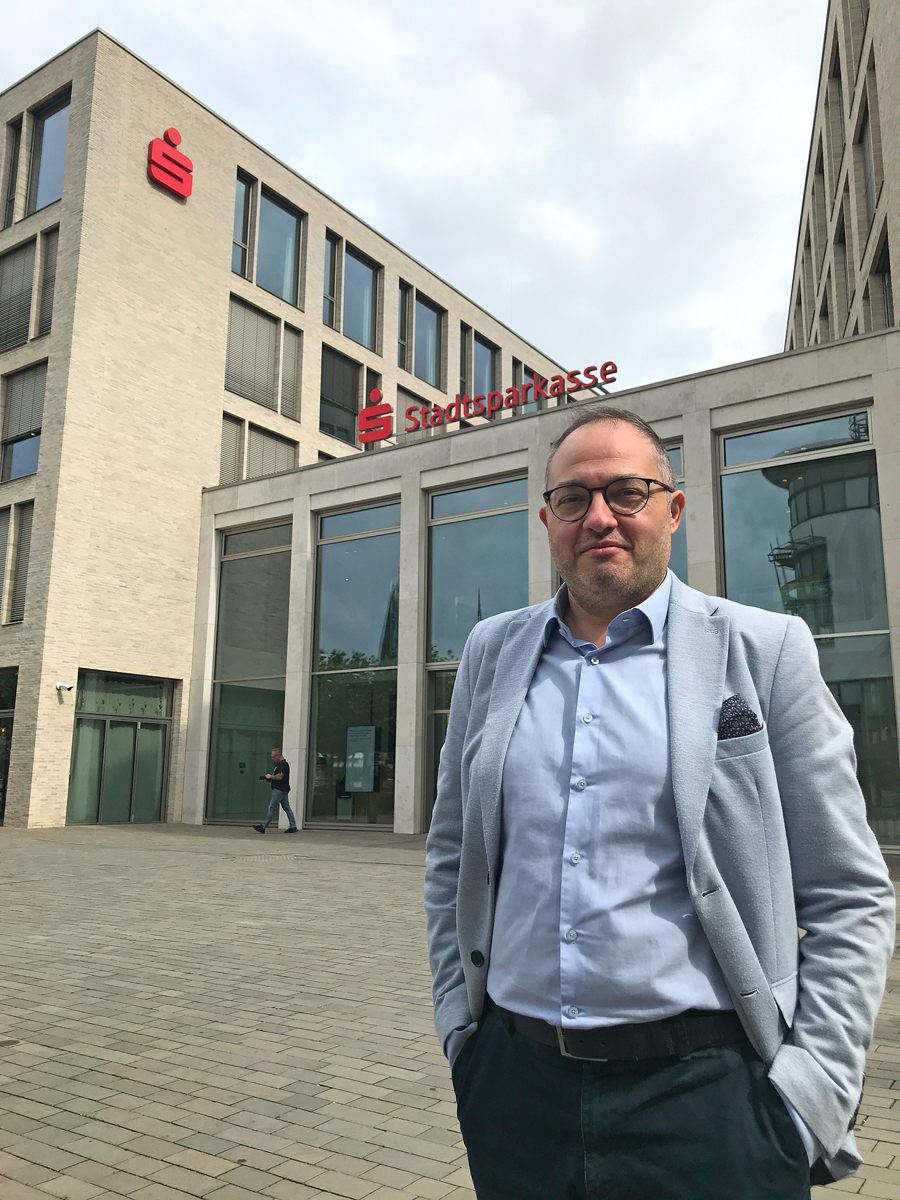
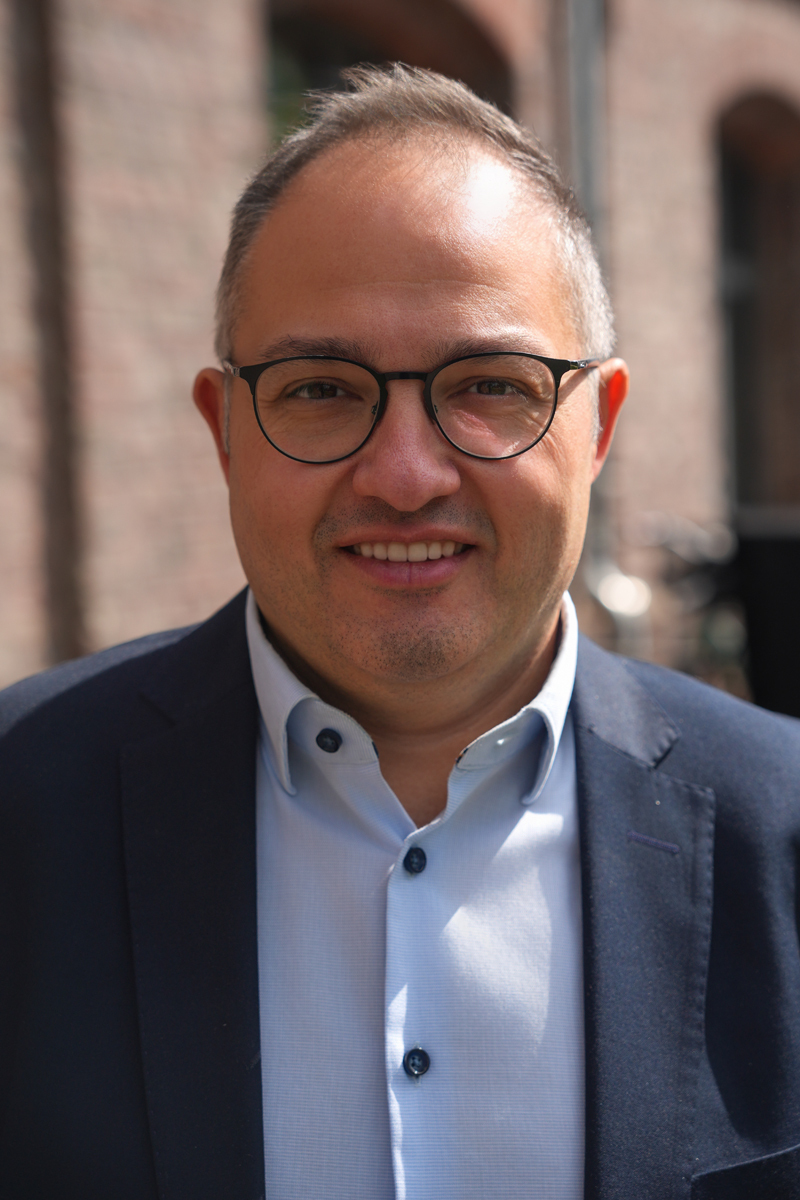
Gültekin Izgi is Deputy Chair of the Committee for Equal Opportunities and Integration (ACI) and a member of the Bocholt List. Bruno Wansing, Integration Officer for the City of Bocholt and Managing Director of the ACI, spoke to him about his background and his aims. In his work, he focuses on direct dialogue, shared experiences and highlighting the many positive examples of successful integration.
Gültekin Izgi was born in Bocholt on 5 August 1980. His roots lie in the town - and he never lost touch with Bocholt, even when his education and career took him to other towns for a few years. Today, he lives here permanently again with his wife Özlem and their son Taylan (4).
From Bocholt to various cities
Izgi attended St Josef Primary School and then the Werner-von-Siemens Secondary School. This was followed by the Higher Commercial School, now known as the Vocational College at the Water Tower.
Travelling across the country
© Stadt Bocholt, Nikolaus Kellermann
After completing an apprenticeship as a textile machine operator at IBENA, he obtained his vocational baccalaureate, specialising in chemistry and technology. He then studied business administration at the University of Duisburg and at the University of Applied Sciences in Bocholt, now known as Westphalian University of Applied Sciences.
Even whilst studying, Izgi gained practical experience in the financial sector. He worked as a student trainee at HypoVereinsbank in Munich, followed by an internship at the bank in Hamburg and a role at Allianz in Munich. Among other things, he helped organise the annual general meeting there. He then worked as a client adviser for HypoVereinsbank in Cologne.
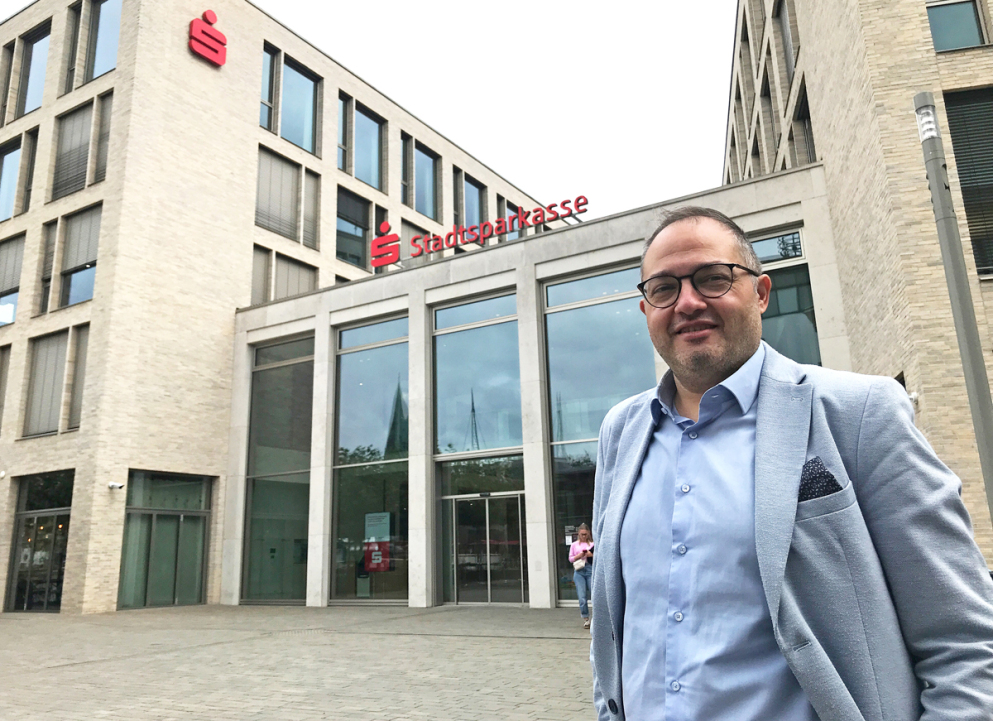
His career path then took him to Citibank in Düsseldorf - now Targobank - and to Readybank in Krefeld. "He was travelling all over the country" at the time. When Readybank ceased its branch operations, Izgi returned to Bocholt in 2010 and joined the Stadtsparkasse Bocholt. He got married that same year.
"Listen carefully to what the person (at the counter) actually wants."
Gültekin Izgi
Experiences that change your perspective
© Stadt Bocholt, Bruno Wansing
Izgi started at the Stadtsparkasse at the Lowick branch. In 2013, he moved to the head office, where he took over as manager of the service centre. At the same time, he continued to advise the three local branches. He explains that many tasks and specialist areas had been centralised at the head office.
Experiences that change your perspective
Izgi's own school days in Bocholt were, as he recalls, largely positive. He had no unpleasant experiences and remained close to four friends from nursery right through to Year 10. After that, they all went their separate ways.
His family history dates back to the era of labour migration. His father came to Bocholt as a guest worker in the late 1960s; his mother, Döndü, followed in the early 1970s. At that time in Bocholt, Taskin Oymaci was an important point of contact for Turkish families. Oymaci was later also involved in founding the Foreigners' Advisory Council and has since passed away. Gültekin Izgi has three sisters: Cemile Özkan, Cahide Klein and Gülsen Tiska.
His professional experiences have also shaped his view of integration. In his role at the Sparkasse, he had frequent contact with refugees and witnessed two waves of migration. He was keen to help Syrian refugees, some of whom spoke only broken Turkish. At the counter, Izgi explains, he tried not only to focus on the specific issue at hand, but also to listen carefully to "what the person at the counter actually wanted". It was this desire to help people that ultimately led him to consider getting involved with the ACI.
From interest to involvement with the ACI
Izgi was encouraged to join the committee by Abdulkadir Kis. He had already been approached during the previous term of office, but was further down the list at the time and did not secure a seat. He was approached again for the 2025 election. He had been interested in the committee's work for some time; this time, he seized the opportunity. As number two on the list, he was assured of a seat on the ACI.
Since 1 November 2025, the body in North Rhine-Westphalia has been known as the Committee for Equal Opportunities and Integration. It was previously called the Integration Council. Izgi takes a generally positive view of the ACI's role: Being linked to the committee opens up opportunities for a say and a right to be heard, and makes it possible to raise the committee's own issues. "We are on the right track", he says. At the same time, development takes time - just as a good investment fund or even a frozen pizza isn't ready straight away.
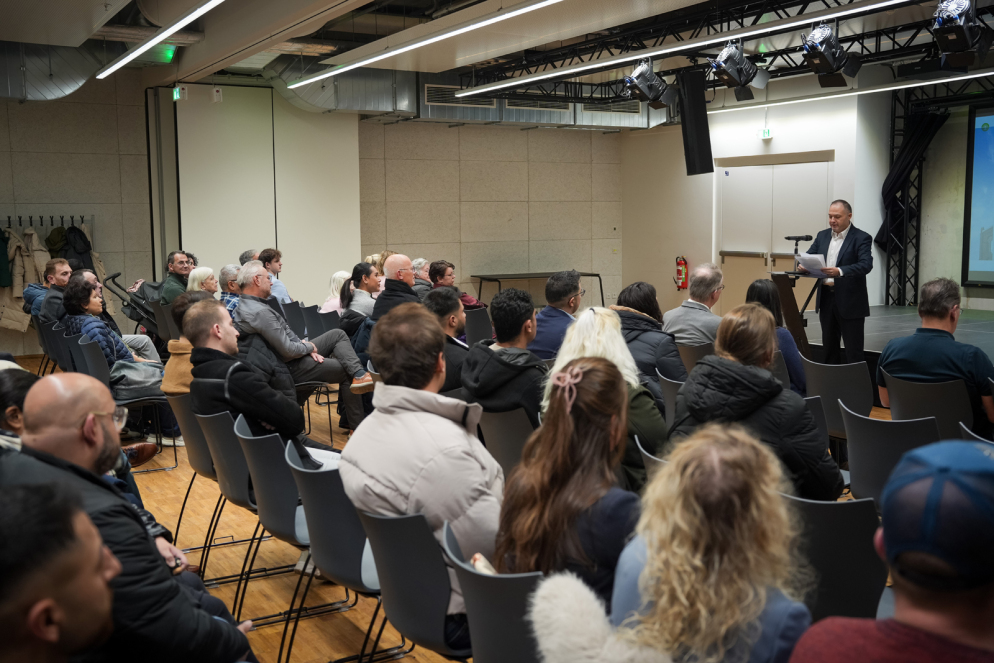
Izgi regards his appointment as deputy chair as a significant achievement during the current legislative term. He particularly values the direct contact with the mayor and the local authority, as well as discussions on an equal footing. The focus now is on developing and implementing new projects.
HSU: Language, Recognition and Identity
© Stadt Bocholt, Nikolaus Kellermann
Izgi is particularly keen on mother-tongue instruction (HSU). He himself attended Turkish lessons for ten years. At the time, he didn't always enjoy it: whilst other children were out playing football in the afternoons, he had to go to lessons. Looking back, however, he sees this experience in a different light. HSU was "immensely important", he says. He has benefited from it in his previous jobs - and continues to do so to this day.
For Izgi, it's not just about gaining additional language skills. Mother-tongue instruction also fosters communication, a sense of belonging and identity. Mastering one's mother tongue can empower people whilst also building bridges in everyday life and in the workplace.
More interaction in everyday life
For Izgi, language is central to successful integration - but it doesn't have to be grammatically perfect from the outset. What matters most, he says, is the desire to communicate and to understand one another. It is equally important not to stay within the four walls of one's own home, but to reach out to other people. Whether at a sports club, a festival, nursery, school or in the neighbourhood: getting involved and contributing creates encounters and a sense of community.
Izgi also considers the iftar organised by the city to be a good thing. The idea, proposed by Bruno Wansing, of the mayor inviting religious communities, cultural associations and other organisations is excellent. When representatives from churches, mosque communities, clubs and the city come together, "blinders are removed%$. Such encounters make it easier to get to know one another.
At the same time, Izgi sees challenges. He believes the ACI is still not well known enough amongst the general public, and that the turnout was "absolutely dismal%$. He hopes that participation will improve if eligible voters are contacted directly in future. He takes a rather critical view of the renaming of the body.
Cooperation within the ACI also felt different to him at first. At the start, a great deal of time was lost due to disagreements amongst members. In his view, this energy would have been better invested in specific projects. Whilst attending a meeting of the Committee on Labour and Social Affairs, Izgi also gained an insight into a different style of chairing meetings. The meeting had been interesting, though a topic of importance to the ACI had been postponed.
A special idea for fostering greater empathy
One idea that Izgi would like to pursue is a trip to Istanbul with around 50 participants. The aim is not just for them to experience the city from a tourist's perspective, but also to find their way around in unfamiliar surroundings: buying water or food for themselves, asking questions and navigating a language they do not speak. This experience could foster empathy - a sense of what it's like to have to find your way in a foreign place.
To illustrate this, Izgi tells a parable about the Turkish Hodja who had fallen from a tree. A passer-by asked him who he should call for help. The Hodja replied: "Send me someone who's fallen before - they'll know the pain." Understanding often arises particularly when one has experienced something first-hand. It is similar with the loss of a parent: anyone who has buried their own father knows what it feels like to lose a father.
Izgi's aim is not to pit such experiences against one another, but to use them to foster mutual understanding. He would also like to see a different focus in public perception: rather than focusing primarily on negative examples from the media, the many success stories and positive developments should be given greater visibility. "There is so much potential", he says. The positive examples deserve more attention.