
© deutz produktionsstudios GmbH
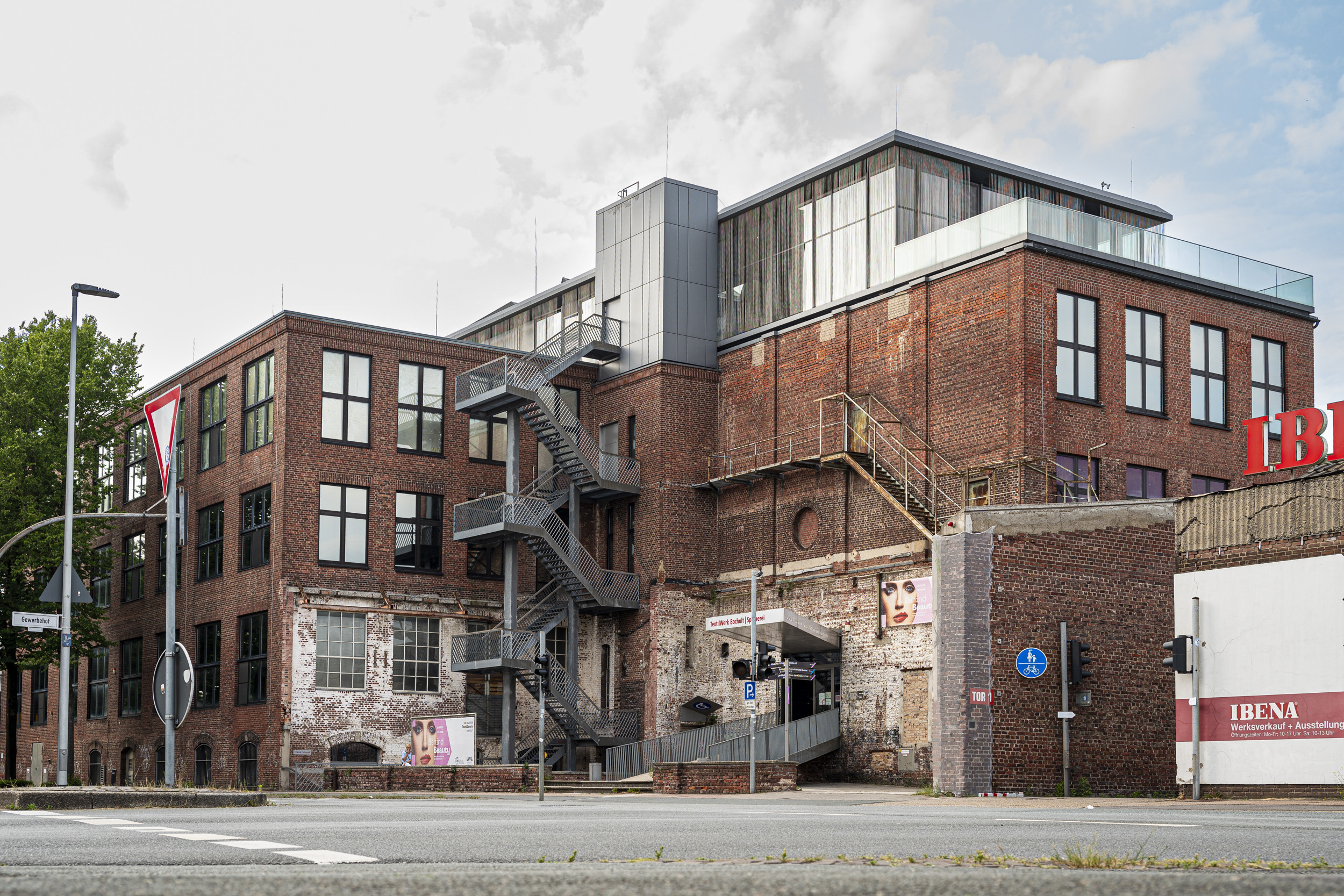
The LWL Textile Museum in Bocholt will be the main venue for the Border Region Conference in December.550 registrations: Border Region Conference in Bocholt fully booked
8th German-Dutch Border Region Conference on 2 December // 550 registrations received // The town of Bocholt is delighted with the great response
The 8th German-Dutch Border Region Conference, to be held on 2 December 2026 in Bocholt, is already fully booked. A total of 550 registrations have been received for the event at the LWL-Textilwerk. As the host town, Bocholt is delighted with the high level of interest in cross-border cooperation.
With just under two months to go before the event, all available places for the 8th German-Dutch Border Region Conference have already been taken. With 550 registrations, the conference is fully booked. The high demand underlines the interest in exchanges between Germany and the Netherlands.
The town of Bocholt is naturally delighted with the response. As this year's host city, Bocholt is providing the setting for discussions on current challenges and shared prospects for the future in the German-Dutch border region. The city regards the fact that the conference is already fully booked weeks before the event as a welcome sign of the importance of cross-border cooperation.
"The fact that the Border Region Conference in Bocholt has attracted such a high level of interest is a wonderful sign for our town and the entire border region. Cooperation with our Dutch neighbours is part of our everyday life. We are therefore all the more delighted to be able to offer a platform for new ideas and joint solutions through this conference", says Bocholt's mayor, Christian Mangen.
The Border Region Conference brings together representatives from politics, public administration and civil society from Germany and the Netherlands. In various specialist workshops, they will address issues that shape everyday life in the border region. These include, amongst others, mobility, the labour market, security and social cooperation. The aim is to highlight existing obstacles in everyday cross-border life, discuss joint approaches to solutions and provide fresh impetus for cooperation between North Rhine-Westphalia and the Netherlands.
© deutz produktionsstudios GmbH
The LWL Textile Museum in Bocholt will be the main venue for the Border Region Conference in December.